
Nearly everyone is familiar with gift cards. In fact, there’s a good chance you have at least one in your wallet or purse, or have purchased one for someone else in the past year.
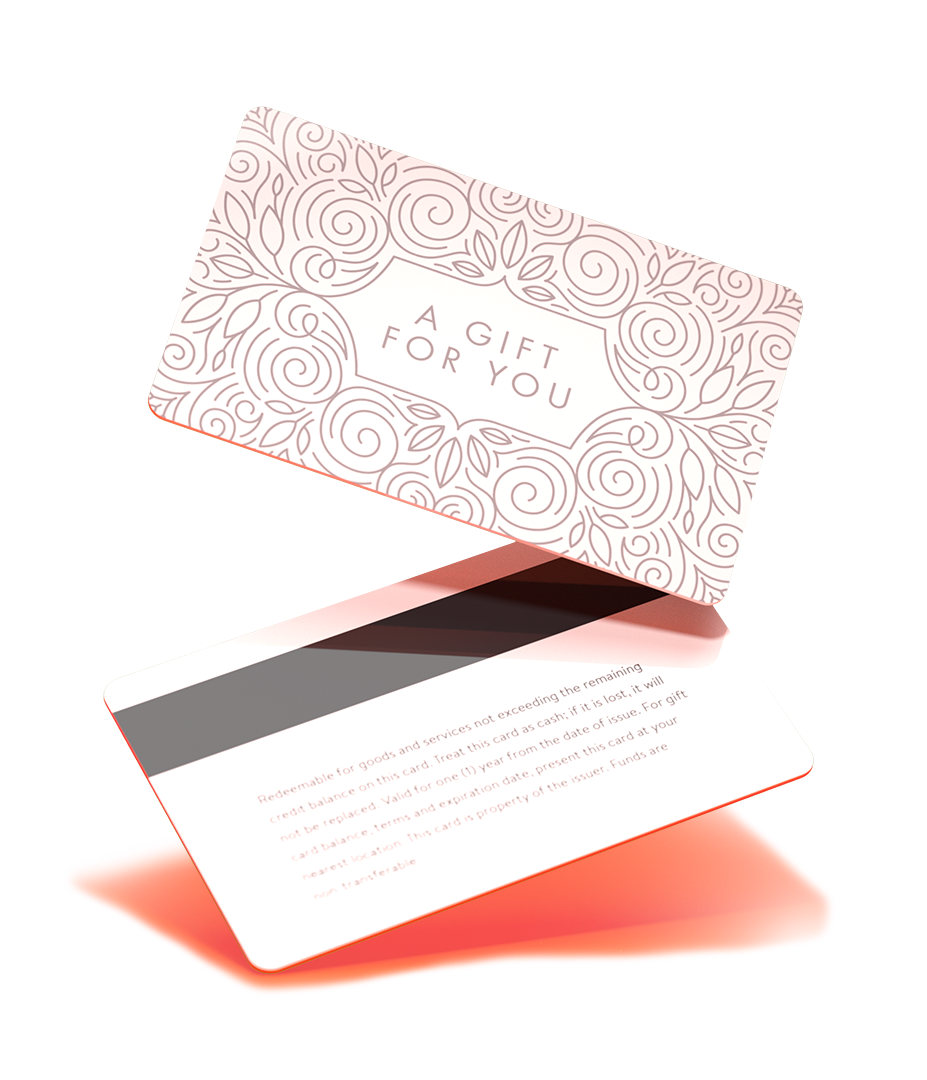
Gift cards are custom-branded cards with a monetary value that customers can use toward future purchases. They are an easy way for businesses to drive sales, encourage repeat visits, and create a convenient gifting option for customers. Because gift cards typically do not store personal information, they are simple to transfer from one person to another and can usually be discarded once the balance is depleted.
Some businesses also offer gift certificates, which are often made of thin paper and function similarly. However, gift cards usually provide a more polished and durable option, along with better support for tracking value through a barcode, magnetic stripe, or other numbering method.
Absolutely! Gift cards can be very profitable for businesses. They bring in revenue upfront, introduce new customer to your brand, and often lead to purchases above the card's original value. Because gift cards are frequently given as gifts, they can bring in people who may not have visited your business otherwise. Which can turn into a repeat customer relationship.
Gift cards can also increase average order value, since customers often spend more than the amount loaded on the card when they redeem it. In some cases, cards may also be partially redeemed or go unused, which can add to the overall value of the program depending on how it is structured. With relatively low production costs and strong long-term potential, gift cards can be a valuable tool for driving sales, increase store traffic, and encouraging repeat business.
Gift cards typically fall into two main categories: Closed-loop and open-loop. Closed-looped gift cards can only be used at a specific business or brand, making them a strong option for businesses that want to drive repeat visits and keep spending tied directly to their company. Open-loop gift cards run on major payment networks like Visa® or MasterCard® and can usually be used at a wide range of businesses, giving the cardholder more flexibility.
Both options have advantages, but they serve different goals. Closed-loop gift cards are often the better fit for businesses focused on customer retention, brand loyalty, and promotional value. Open-loop gift cards offer broader usability, but they may include activation fees and do not always bring the customer back to the original business. Within each type, there are also different program options to consider depending on how the cards are processed and where they can be redeemed.

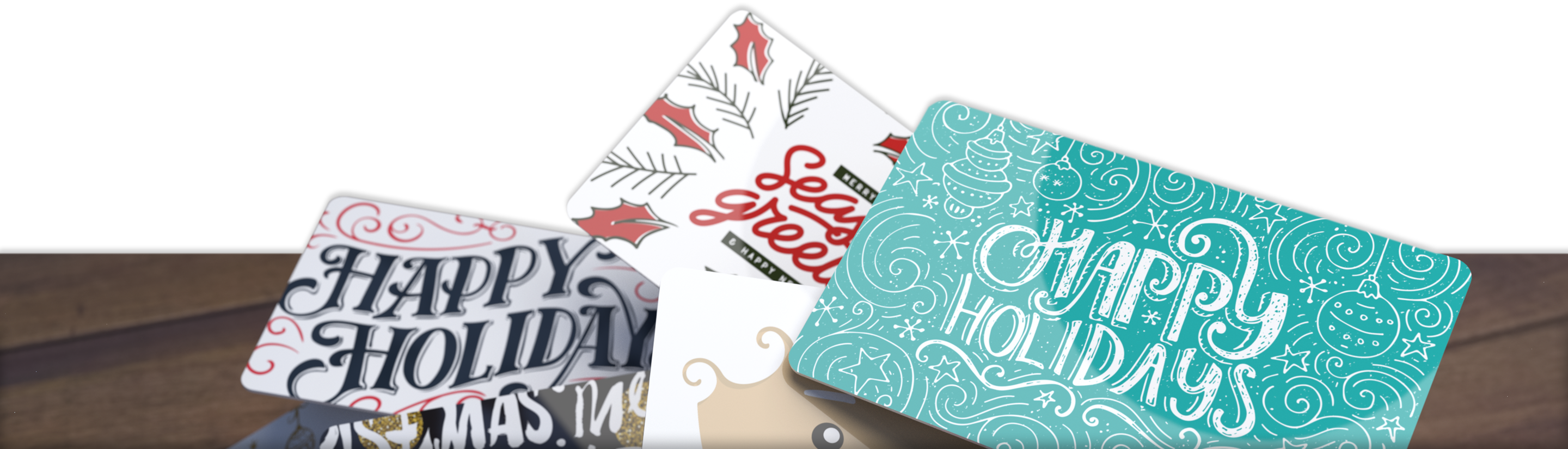
Gift cards are not one-size-fits-all. Depending on your program, you may choose from plastic, paper or digital gift cards. Platen laminated plastic cards offer a high-end look and feel with excellent durability for long-term use. Roll laminated plastic cards provide a more economical plastic option for shorter-term programs or promotions. Paper gift cards can also deliver a premium presentation, making them a strong choice for brands that want a polished paper-based option without sacrificing quality.
Digital gift cards add convenience, but physical cards still offer unique advantages. They feel more like a gift, keep your brand visible, and often create a stronger customer experience. For many businesses, the best approach is offering both, with physical cards creating a lasting impression and digital cards adding flexibility.
Every gift card includes a unique identifier used to track the card and its balance. This may be in the form of a barcode, magnetic stripe, or even a human-readable number. That unique number connects the card to its stored value and allows it to be activated, redeemed, and tracked over time.
When setting up a gift card program, one of the first decisions is how the gift card information will be managed. Many businesses use a gift card transaction database, often as part of the point-of-sale system, to track balances, redemptions, and transaction history more automatically. Others may start with a simpler manual tracking process, using the card number to record issued balances and redemptions as the cards are used.
Not always. Gift cards can be used with a point-of-sale system, but a POS system is not required for every gift card program.
Many businesses use gift cards with their existing POS to activate cards, track balances, and process redemption more automatically. If you already have a POS system in place, gift cards can be integrated into that setup with the right data format and card type.
If a business does not have a POS system yet, gift cards may still be an option. In fact, many businesses start without a POS system and still offer gift cards as a low-cost way to generate revenue, attract new customers, and build repeat business.
The best approach depends on the business, the sales process, and the type of customer experience you want to create. For some, a POS system is the most efficient way to manage a gift card program. For others, starting with a simple, manual tracking method can be a manageable and cost-effective way to begin selling gift cards, with the option to move to a more advanced system later as volume grows.
Gift card packaging helps turn a simple card into a more complete gift. Gift card carriers, sleeves, and envelopes can protect the card, improve presentation, and make the overall experience feel more polished. They also give businesses another way to add branding and create a stronger first impression.
Custom gift card carriers are a great option when you want the card to stand out and include extra space for branding, messaging, or instructions. Sleeves offer a simple way to protect the card while giving it a clean, gift-ready appearance. Envelopes provide an easy, professional way to package the card for gifting. The right gift card packaging depends on how the cards will be sold, displayed, and shared with customers.
Once you have reviewed your options and are ready to move forward with a gift card program, the next steps typically look like this:
Get started with one of our stylish pre-made designs instantly by browsing our online store
|