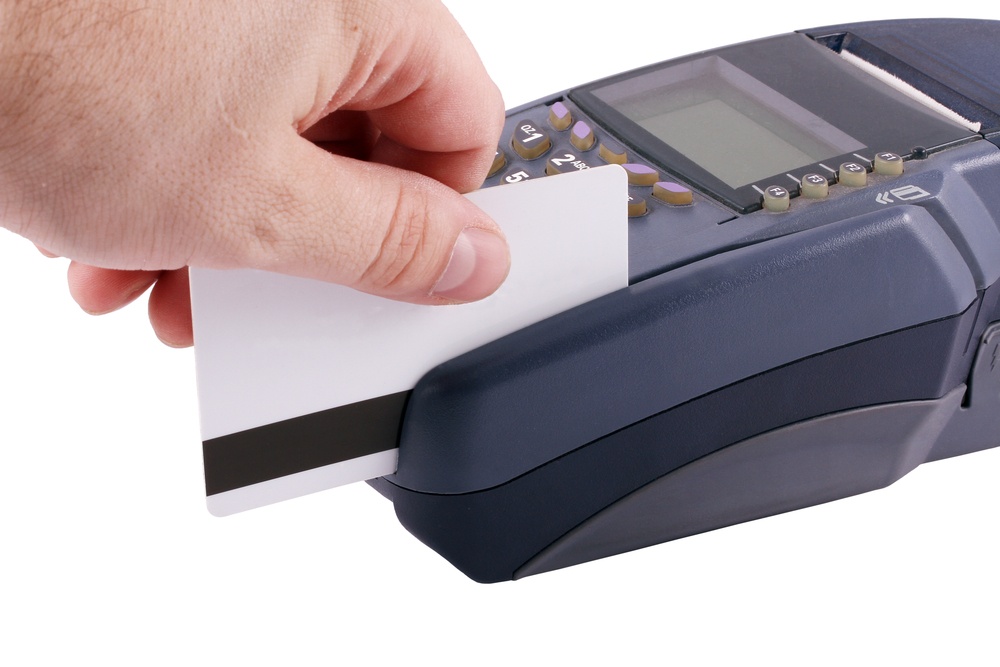
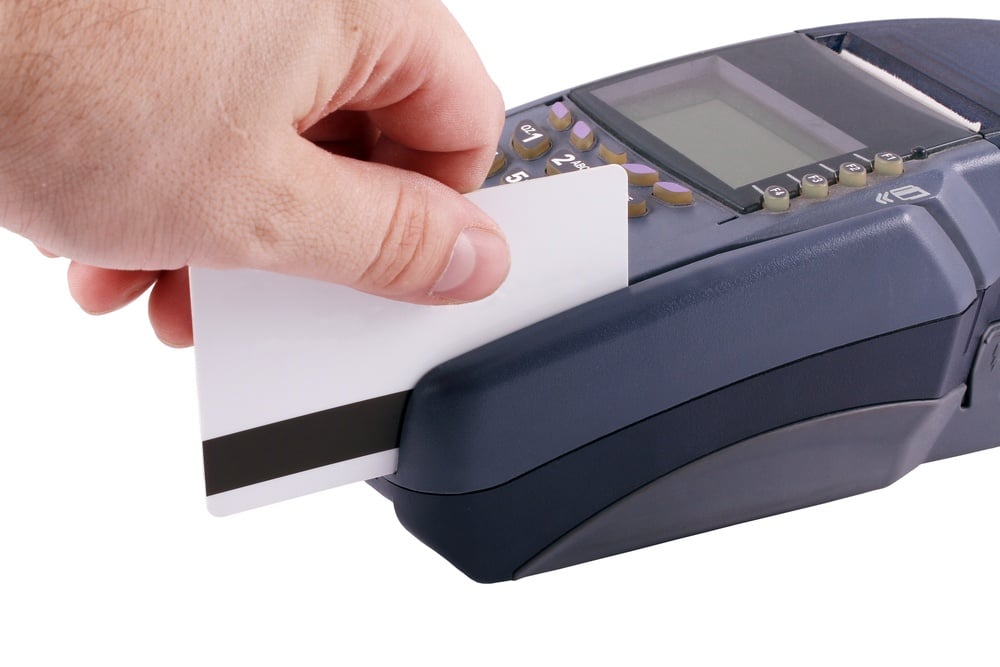
Magnetic stripe technology has been around for 40+ years, and more magnetic stripe cards are produce...
Magnetic stripe technology has been around for 40+ years, and more magnetic stripe cards are produce...
Magnetic stripes are thin layers of ferrous oxide applied to the surface of the card. Each oxide particle has a magnetic north and magnetic south pole. When first applied to the surface of the card, the arrangement of these particles is totally random, the stripe is magnetically neutral and is said to be “un-encoded” or blank. To add information to the magnetic stripe, the oxide particles are forced to align with their magnetic poles in the same direction. By periodically reversing the direction of the alignment this “encoding” creates a pattern of transitions between north south magnetic fields. It is these transitions that are read and interpreted as data.

Subscribe now and receive a box filled with hand-picked awesome items

Understand the differences in quality for plastic cards and printing companies. We touch on quality, price, risk assessment and trustworthiness! Get your free copy!

© 2024 CARDSource, All Rights Reserved